Martial Arts Kid: A Craft Fair Embroidery Designer's Review
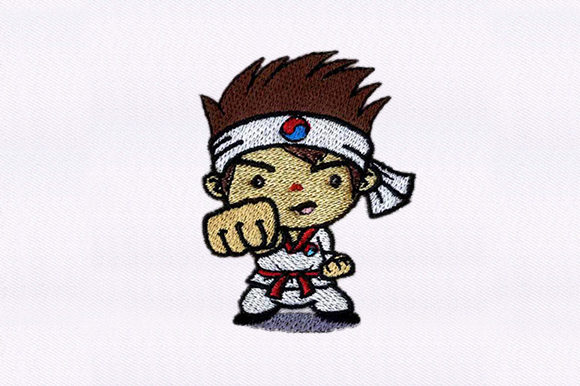
As someone who designs, stitches, and sells embroidered goods at fairs and markets, my first question about any new design is simple: Will it sell on my table? When I evaluate Martial Arts Kid, I see potential, but it requires a specific product strategy to shine. This is a cute, character-focused machine embroidery design. The immediate vibe is playful and approachable—it feels like a design for a gift, not a statement piece. It leans into a cute, modern aesthetic rather than bold, rustic, or elegant.
Finding Martial Arts Kid's Product Home
In my booth, I think of my table as a gallery. Each product placement tells a story. Martial Arts Kid wouldn't be the centerpiece of my display, but it could be a wonderful accent. Its strength is in its specificity; it will immediately connect with customers involved in martial arts, or parents with kids in those activities. This gives it a niche appeal that can be powerful. On a crowded table, a customer scanning for a personal connection might stop at this one item that speaks directly to their hobby.
For maximum impact, I would position it on smaller, giftable items. A large tote bag or apron with this as the sole design might feel unbalanced unless the scale is perfect. Instead, I see it excelling on embroidered patches, small fabric pouches for gear, caps, and perhaps as a charming accent on a pillow cover in a child's room. On a tea towel or apron, it would need to be paired with other complementary designs or text to fill the space and feel complete. A simple, clean market bag with this design centered could work if the bag itself is a solid, neutral color.
The Practical Production Checklist
Turning a digital embroidery file into a profitable craft fair product means thinking about production ease and final look.
Visual Clarity & Scale: The description calls it "cute," which often implies softer lines and character details. I need to test this on scrap fabric immediately. Small, intricate details or dense stitch areas can become muddy on textured fabrics like towels or on curved surfaces like caps. It's crucial to stitch it at the intended sale size first. If the design has tiny lettering or very fine features, it might lose clarity when stitched small for a patch. Conversely, blowing it up very large for a pillow might expose awkward empty spaces if the design isn't built for that scale.
Fabric & Thread Considerations: This design likely performs best on smooth, mid-weight fabrics where the stitches can sit cleanly. For dark fabric, thread contrast is vital; a light-colored design will pop, but a dark-on-dark version might vanish. I always test on both light and dark scraps. The right stabilizer is non-negotiable for a clean finish, especially on stretchy caps or thin bag linings. Checking stitch density is key—too dense on a thin tea towel could cause puckering, affecting the handmade quality perception.
Batch Production & Photography: For a weekend fair, I need designs I can batch produce efficiently. If Martial Arts Kid has a moderate number of thread colors and a reasonable stitch time, it becomes a viable small shop product. Crucially, I must create at least one real, physical mockup. This is for my booth display and for photography. Online sales on Etsy or other platforms depend on great photos. This cute design needs to be photographed on the actual product—a pouch, a cap—in good light to show its texture and appeal. A flat printable mockup is a start, but a photo of the real finished product sells the handmade value.
Craft Fair Booth Strategy & Customer Engagement
At the fair, this design acts as a conversation starter. It attracts a specific buyer, which can lead to deeper engagement. I might display it on a cap worn by my booth helper or as a patch pinned prominently on a banner. Its value isn't in being a universal best-seller, but in perfectly serving a segment of my audience. This strengthens booth display diversity and shows my range.
For brand consistency, if my shop leans toward whimsical or family-oriented designs, Martial Arts Kid fits neatly. If my brand is more minimalist or rustic, I'd need to frame it carefully, perhaps as a custom-order option. Before any production, I always confirm the commercial licensing terms of the digital embroidery file. This is a fundamental step for any digital seller or creative entrepreneur turning a design into a commercial embroidery product.
Final Designer Notes Before Hooping
My review process is hands-on. For Martial Arts Kid, I would:
- Stitch it on three different fabric scraps: a smooth cotton (for bags/pouches), a textured linen (for towels), and a curved, stiff fabric mockup (for caps).
- Compare thread color choices against my standard product fabric colors.
- Confirm the minimum and maximum hoop size the design comfortably accommodates.
- Review the spacing and overall layout to ensure it centers well on my standard product templates.
- Only after this testing would I commit to making it a craft fair product, deciding on its primary vessel—likely a patch or pouch—and batch producing a small inventory for the weekend.
In the end, the success of Martial Arts Kid on my table hinges on matching its cute, hobby-specific charm with the right physical product. It’s a design that, when executed well on a thoughtfully chosen item, can create a memorable and valuable connection for a customer, turning a niche embroidery file into a sold item and a happy buyer.