Proud Navy Wife: An Embroidery Designer's Review for Craft Fairs
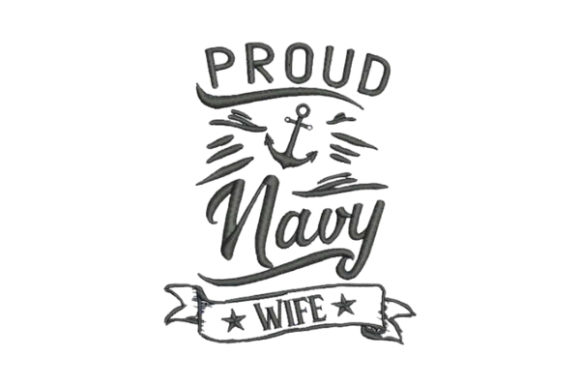
Prepping for a weekend craft fair means carefully selecting which designs will make the cut for my booth. Today, I’m reviewing the Proud Navy Wife embroidery design, considering how it will translate from a digital embroidery file into real, sellable handmade products. The immediate impression is clear: this is a bold, declarative design meant for a specific, proud community. It’s not cute or minimal; it’s a statement piece with an elegant, premium feel thanks to the described “gorgeous satin stitches.” This review walks through where it shines, what to watch for, and how to maximize its selling potential.
First Impressions and Product Fit
When I think about my table display—tote bags, aprons, tea towels, caps, patches, pillow covers—Proud Navy Wife immediately stands out as a design with powerful personal resonance. It’s not a generic decorative motif; it speaks directly to a customer’s identity and pride. On a crowded craft fair table, designs that connect emotionally often catch the eye faster than purely aesthetic patterns. This one has that potential.
For a craft fair product, I’d prioritize items that serve as wearable or displayable badges of identity. A high-quality embroidered patch on a denim jacket or bag would be a strong seller. An apron embroidery or a tote bag design for everyday use also makes sense, allowing the wearer to showcase their pride in a practical way. A simple tea towel embroidery might be less fitting here, as the message is more personal than kitchen-decorative. A pillow cover for a home, however, could work beautifully as a sentimental gift.
Production Practicality and Design Performance
The product description notes “gorgeous satin stitches” and “multiple embroidery file formats,” which is excellent for production flexibility. For a small shop product, having multiple file types means I can use it across different embroidery machines without conversion headaches, speeding up batch production.
However, the phrase “Proud Navy Wife” likely involves lettering. This requires careful evaluation. On curved surfaces like caps, small lettering can distort or lose clarity. On textured fabrics like tea towels, stitch definition can soften. My first step is always to test the design on scrap fabric—a critical step I recommend to every maker. I’ll check stitch density in the satin stitch areas; overly dense stitching on lightweight totes or pouches can cause puckering. Using the correct stabilizer is paramount.
Thread colors and contrast are key. This design would pop on dark fabrics like navy blue or black, but satin stitches on dark material require impeccable tension to look crisp. I’d also test it on lighter backgrounds for a different, perhaps softer, premium look. Creating at least one real mockup—a finished tote or patch—is non-negotiable. It reveals how the design feels in person, far beyond a printable mockup in an Etsy listing.
Visual Appeal and Customer Attention at the Booth
At the fair, Proud Navy Wife won’t be a background element. It’s a focal design. To leverage that, I’d display it on products placed at eye-level in my booth. A beautifully embroidered market bag hung prominently or a cap displayed on a stand would draw attention. The design adds perceived product value because it’s specialized and emotionally charged; customers aren’t just buying a bag, they’re buying a symbol. This supports a slightly higher price point, reflecting the handmade quality.
For buyer engagement, this design can spark conversation. A customer might share their connection to the Navy, making the sale more personal and memorable. This strengthens my brand as a maker who understands niche communities. For brand consistency, if my shop offers other military or family-themed designs, Proud Navy Wife fits seamlessly, creating a cohesive collection.
Careful-Use Notes for Successful Stitching
Here are my practical embroidery designer notes for producing this design reliably:
- Lettering Size: Confirm the lettering isn’t too tiny for smaller items like patches or pouches. At reduced sizes, small text can become a blur of stitches.
- Hoop Size: The description doesn’t specify a hoop size, so I must check the included files. This determines the maximum project size. For a large tote bag centerpiece, a bigger hoop may be needed.
- Fabric Texture: Avoid highly textured linens or looped towels for the first attempt; smooth cotton or canvas will showcase the satin stitches best.
- Dark Fabric: As mentioned, use high-contrast thread (bright white, gold, red) and possibly a topper stabilizer to keep stitches clean on dark fabrics.
- Batch Production: If stitching multiple items, monitor thread tension and bobbin supply consistently. Satin stitch areas can use more thread.
Final Thoughts for Creative Entrepreneurs
Proud Navy Wife is a strong contender for my craft fair lineup. Its strength is its direct emotional appeal to a dedicated audience. For Etsy sellers and digital sellers, this design is a ready-made digital embroidery file asset for a niche market. For commercial embroidery on products for resale, always confirm commercial licensing before producing finished products for sale; the description doesn’t specify terms, so that’s a mandatory check.
In summary, this design is practical to produce if tested thoroughly, and it has excellent potential to command attention and connect with customers on a personal level. It elevates a simple product into a meaningful keepsake. By stitching it onto well-chosen, high-quality items like totes, patches, or pillow covers, you can create a standout handmade product that resonates deeply and sells with pride.