Little Romeo: A Valentine's Embroidery Design Review for Craft Fair Success
As an embroidery designer preparing for a weekend craft fair, my first task is to review new designs through a practical, seller's lens. When considering a design like Little Romeo for handmade market products, I’m not just looking at aesthetics—I’m evaluating its potential to catch a customer's eye from three feet away, its adaptability across products, and its production ease for batch work. This review breaks down exactly where Little Romeo shines and where careful attention is needed before hitting the hoop.
First Impression: Cute, Decorative, and Instantly Engaging
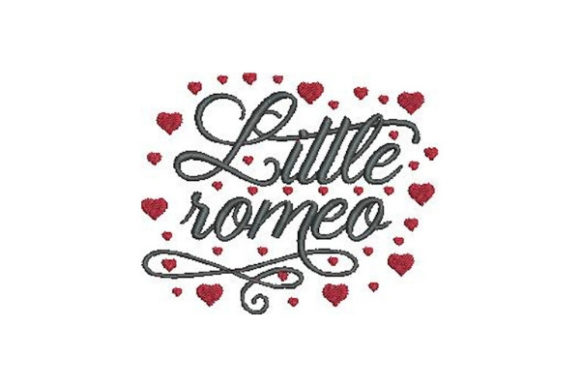
The product description hits the right notes: "cute design" and "catch your eyes instantly." That’s the gold standard for a busy craft fair booth. Little Romeo evokes a playful, romantic charm—it’s not overly rustic or minimal, but decorative and sweet. This mood is perfect for Valentine's Day but isn’t so narrowly festive that it can't sell year-round as a general love-themed item. The promise of "Cupid’s backup" suggests a lighthearted, conversational quality that customers enjoy on wearables and gifts.
Product Performance: Where Little Romeo Will Stand Out
My booth table will have tote bags, aprons, tea towels, caps, and small pouches. I mentally test Little Romeo on each.
For tote bag design, this could be a strong focal point placed centrally. Its cute, engaging nature makes it ideal for a market bag someone carries openly. On apron embroidery, especially a kitchen or craft apron, it would work beautifully as a breast pocket accent or a larger design on the skirt—conveying a handmade, personal touch.
Tea towel embroidery is a prime candidate. Valentine's Day or everyday kitchen towels with a sweet design like this sell quickly as affordable, giftable items. The design should maintain clarity on the textured fabric of a towel. For embroidered patches, Little Romeo could be fantastic if the details hold up at a smaller size; a love-themed patch is highly versatile.
On curved surfaces like caps, the design’s layout must be tested—central motifs often work best. For small pouches and pillow covers, it offers a decorative accent that feels premium and handmade. As a small shop product, its appeal is broad: it’s not gender-specific and fits a "thoughtful gift" niche perfectly.
Practical Selling & Production Points
For craft fair sellers, speed and clarity matter. Little Romeo seems to be an easy-to-understand design at a glance, which is critical when customers are browsing quickly. This helps it work as both a small accent on a pocket and a large focal design on a tote. For online sales, like Etsy listings, its cute nature should photograph well, especially against lighter fabrics where the stitches pop.
Is it repeatable for batch production? That depends entirely on the machine embroidery design file details I don’t have yet. For efficient commercial embroidery of multiple handmade products, I need to assess stitch count and runtime. Before committing, I must test the design on scrap fabric identical to my products—a tea towel, a canvas tote, a cotton apron. This reveals how the fabric texture interacts with the stitches.
Critical Use Notes for a Flawless Finish
Several factors can make or break the final product’s quality and my production speed.
- Stitch density: If the design has dense, filled areas, it may require more robust stabilizer and could be slower to stitch, affecting batch production.
- Tiny details and small lettering: The description mentions "catch your eyes," so I hope key elements are bold. Tiny details can lose clarity on dark fabric or textured towels, and may blur at very small sizes for patches.
- Thread contrast: Choosing high-contrast thread colors for the main elements against the fabric is essential for that instant eye-catch.
- Hoop size: I need to confirm the required hoop size from the digital embroidery file to ensure it fits my standard product dimensions without excessive repositioning.
For curved surfaces like caps, a design with large, solid areas might pucker without proper stabilization techniques. I’ll create at least one real mockup on each primary product type before the fair.
Impact on Sales, Display, and Brand
At the fair, Little Romeo affects several key areas. Its visual appeal drives customer attention. A well-executed embroidery on a high-quality tote bag elevates the perceived product value, showcasing handmade quality. If my brand is built on charming, conversational designs, Little Romeo reinforces that brand consistency.
For booth display strength, I’ll feature it on a centrally displayed apron or a standout pillow cover to draw people in. Its playful theme encourages buyer engagement—customers might smile and comment, which is a huge sales advantage. In an Etsy seller’s online shop, clear photos of it on multiple products (printable mockups are helpful but real photos are better) can create a cohesive collection.
Final Designer Checklist Before Production
My professional rule is to never skip the prep work. Here’s my final list for implementing Little Romeo as a craft fair product.
- Obtain the embroidery file and review all technical details not provided here: exact stitch count, file formats, and any recommended hoop sizes.
- Check thread contrast by stitching a sample on both light and dark background fabrics.
- Review spacing and element size to ensure it remains clear when scaled for different products.
- Inspect stitch density on my test runs and select the appropriate stabilizer for each fabric type.
- Compare fabric colors to determine which base materials (cream, white, blush, black) make the design pop most.
- Absolutely confirm commercial licensing before selling finished products. This is a must for any digital embroidery file used for commercial embroidery.
By following these steps, Little Romeo transforms from a cute machine embroidery design into a reliable, sellable handmade product that can charm customers at a craft fair and beyond. Its Valentine's Day tie-in is a sweet bonus, but its core appeal is that instant, eye-catching cuteness the description promises—the very thing that makes a busy shopper stop at your booth and say, “That’s lovely.”