Plant Smile Grow: A Versatile Embroidery Design for Craft Markets
As an embroidery designer preparing for a weekend craft fair, every design in my portfolio gets a real-world review. I look at each one through the lens of a busy booth: Will it catch a customer's eye from three feet away? Can it be produced efficiently for batch work? Does it add perceived value to a simple product? Today, I’m evaluating Plant Smile Grow, a quote design destined for my table of handmade goods.
First Impression & Market Mood
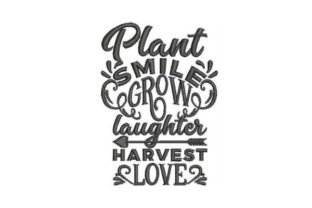
Plant Smile Grow immediately strikes a warm, positive tone. It feels soft, rustic, and inherently decorative—a blend of farmhouse charm with a modern, minimal word arrangement. The phrase “love laughter” nestled within it speaks directly to the emotional, gift-driven purchases common at fairs. This isn’t a bold, graphic statement; it’s an elegant, heartfelt accent. That mood gives it incredible flexibility. It won’t clash with a customer’s style; it will complement a cozy, welcoming home. For craft fair sellers, this universal appeal is a key selling advantage.
Product Placement: Where This Design Stands Out
My booth display will have tote bags, aprons, tea towels, caps, patches, and pillow covers. I need to decide where Plant Smile Grow will shine brightest.
- Tote Bags & Market Bags: This is a prime candidate. The design is large enough to be a focal point on a bag side, yet its aesthetic is gentle enough not to overwhelm. On a natural canvas tote, it conveys a handmade, boutique quality instantly.
- Aprons & Kitchen Towels: Given the “House” category feel, these are natural fits. Embroidered on a tea towel, it becomes a functional kitchen decor item. The phrase’s connection to “grow” and “plant” subtly ties to gardening or cooking, making it perfect for apron pockets.
- Pillow Covers: For a higher-value item, this design adds a custom, personal touch. It elevates a simple pillow cover into a thoughtful home decor gift.
- Embroidered Patches: This requires careful consideration. If the lettering is small or has tiny details, reducing the design for a patch might lose clarity. It would need to be tested at a smaller hoop size.
- Caps & Curved Surfaces: Success here depends on the design’s stitch density and layout. Dense stitch areas on curved cap surfaces can pucker or distort. A sample run on scrap fabric is essential.
- Small Pouches & Giftable Items: As a smaller accent on a fabric pouch or keepsake, it becomes a premium detail, enhancing the handmade quality and justifying a slightly higher price.
For my booth, I’ll likely feature Plant Smile Grow prominently on a few best-selling canvases: a well-made tote bag as a sample and a set of embroidered tea towels bundled together. This shows versatility and maximizes customer attention.
Practical Production for Sellers
Turning a digital embroidery file into a sellable craft fair product requires practical checks. The description says it “will look amazing on any type of fabric” and comes with “multiple embroider,” which suggests possible file variations. This is promising for production.
- Batch Production & Repeatability: The design’s consistent, flowing text likely makes it efficient for batch work. I can queue multiple tea towels or pouches without frequent color changes or complex trimming, speeding up my pre-fair production.
- Stitch Density & Fabric Choice: I must test on my intended fabrics. Textured towels, thick bag canvas, or dark fabrics all behave differently. High stitch density on textured linen can look stunning but may require a specific stabilizer. On dark fabric, thread color contrast is paramount—a bright white or soft pastel might be needed for the design to pop.
- Hoop Size & Design Scale: Before committing, I’ll test the provided embroidery files in different hoop sizes to see how it scales. Does it remain crisp and legible at a smaller size for a patch? Does it fill a larger hoop elegantly for a pillow? This directly impacts which products I can offer.
- Photography for Online & Etsy Listings: For my Etsy shop and booth printables, this design should photograph beautifully. The soft, decorative nature looks premium in close-ups. I’ll create at least one real mockup on a final product for photos—never rely solely on digital previews. The texture of the stitches on fabric adds tangible value in images.
Customer Engagement & Booth Display Strategy
At the fair, the product must sell itself. Plant Smile Grow has strong engagement qualities.
- Visual Appeal & Quick Understanding: Customers grasp it instantly. It’s not a cryptic slogan; it’s a warm, inviting phrase. This quick readability is crucial in a busy market where people browse rapidly.
- Product Value Perception: Embroidered onto a utilitarian item like a towel or tote, it transforms that item into a “special” purchase. The handmade embroidery visibly adds cost and care, allowing for a healthy markup.
- Brand Consistency: For sellers with a rustic, home-focused, or positive vibe brand, this design reinforces that message consistently across different products in the booth.
- Display Strength: Grouping products featuring this design creates a thematic section in my booth. A display titled “Home & Heart” with coordinating towels, totes, and pillows featuring Plant Smile Grow tells a cohesive story and attracts a specific buyer.
Essential Designer Notes Before Selling
My final review always includes a hands-on checklist. Before producing any commercial embroidery products with Plant Smile Grow, I advise every maker to do the following:
- Test on Scrap Fabric: Use the exact fabric and stabilizer combination you plan to sell. Check for puckering, thread tension issues, and overall cleanliness.
- Check Thread Contrast: Experiment with several thread colors on light and dark backgrounds to find the most appealing combination.
- Review Spacing & Legibility: Ensure small lettering, if present, is clearly stitchable and readable at your chosen size.
- Confirm Hoop Size Compatibility: Match the design file to a hoop size that works for your product physically and aesthetically.
- Inspect Stitch Density: For items like caps or thin pouches, high density might need adjustment or a different stabilizer to prevent fabric distortion.
- Create a Real Mockup: Produce one finished, sale-ready product. This reveals final production time, material costs, and gives you the perfect asset for photos.
- Compare Fabric Colors: See how the design looks on a range of your offered fabric colors—does it work on all, or should you curate your palette?
- Confirm Commercial Licensing: The description notes it’s a machine embroidery design. As a digital seller provides it, I must verify the license explicitly allows for commercial use of the finished products I sell at fairs and in my small shop. This is a non-negotiable step.
Final Judgment for Craft Fair Success
Plant Smile Grow is a strong contender for my craft fair lineup. Its emotional resonance, decorative versatility, and production-friendly appearance make it a reliable design for multiple best-selling products. It won’t be the loudest design on my table, but it will be one of the most approachable. Its success hinges on my execution: choosing the right products, perfecting the embroidery settings, and presenting it as a premium handmade upgrade to everyday items. For embroidery business owners and creative entrepreneurs looking for a design that bridges home decor and gift markets with a warm, rustic feel, this one deserves a spot in your hoop and on your booth table.