Little Mister November Leaf Applique Design Review
As a professional embroidery designer, I regularly evaluate digital embroidery files for their potential in commercial projects and small business merchandise. Today, I'm reviewing the Little Mister November Leaf Applique from an operational perspective. This isn't just about a cute design; it's about assessing its viability as a tool for brand building, staff uniforms, and retail products.
First Impressions: A Blend of Seasonal Charm and Branding Potential
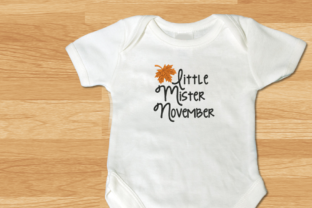
The initial appeal of Little Mister November Leaf Applique is immediately clear. The combination of the text with the appliqued leaf creates a specific personality. It feels rustic, friendly, and classic. This isn't a generic graphic; it's a designed statement with a seasonal anchor. For a business, this evokes a sense of authenticity and connection to a time of year, which can be incredibly powerful for boutiques, cafés, or studios that celebrate seasonal themes. The "Little Mister" framing adds a touch of playfulness without being overly childish, making it suitable for a wide audience.
Practical Applications for Small Business Merchandise
Let's move beyond aesthetics to real-world use. The design's structure—text plus a central illustrative element—makes it highly versatile for several key merchandise categories.
Embroidered Patches and Product Labels
This design is a strong candidate for an embroidered patch. Patches are fantastic for branding tote bags, aprons, or even as standalone product labels for handmade goods. The leaf provides a clear focal point, and the text establishes the brand or product name (like a seasonal special). For an Etsy seller or a small pet brand, a patch with this design sewn onto a product bag adds a premium, handmade touch that elevates perceived value.
Staff Uniforms and Workwear Accents
For uniforms—think café staff aprons, boutique work shirts, or a florist's cap—the Little Mister November Leaf Applique can serve as a charming chest logo or sleeve detail. It's professional enough for customer-facing roles yet conveys a warm, approachable brand identity. On an apron, especially for a bakery or creative studio, it becomes part of the workspace aesthetic.
Customer-Facing Merchandise and Gifts
- Tote Bag Design: Embroidered centrally on a canvas tote, it creates a desirable, seasonal retail item or customer gift.
- Cap Embroidery: On the front of a cap, it becomes a statement piece for event merch or team wear.
- Product Packaging Accents: Small-scale embroidery on a product's tag or pouch can significantly enhance brand recognition and visual consistency across a line.
Critical Considerations for Production Success
To ensure this embroidery file performs well in these scenarios, a designer must approach with practical caution. Success depends on preparation.
Navigating Scale and Detail
The description mentions multiple hoop sizes, which is excellent. However, for business use, you must test it at your intended patch size. The lettering "Little Mister November" is the critical element. At very small scales, such as on a cap front or a tiny product label, this text must remain legible. Always run a test stitch-out on similar fabric first. If the smallest hoop size listed is too large for your intended tiny patch, this design might not be suitable for that specific application.
Fabric, Contrast, and Durability
- Thread Color Contrast: On dark uniforms or bags, ensure your chosen thread colors (especially for the text) stand out clearly. The leaf applique might require a specific fabric piece, so consider its color against the garment.
- Fabric Texture and Stabilizer: A proper stabilizer is non-negotiable for clean stitches on varied fabrics like canvas for totes or textured knit for caps. The design's stitch density, especially in the leaf outline, needs a stable base.
- Washability: For items like uniforms or aprons that need frequent laundering, a robust stitch construction is key. Review the stitch file for potential weak points in the lettering outlines.
The Professional Process Before Commitment
- Create a Printable Mockup: Before production, place the design on a mockup of your apron, tote, or cap for client or internal approval. This visualizes brand identity integration.
- Test in Black and White: Stitch a simple version first to check form and spacing without color complexity.
- Compare with Brand Assets: Does the autumn feel of the Little Mister November Leaf Applique align with your other branding? Visual consistency builds customer trust.
- Confirm Licensing: The product is an embroidery file. Before any commercial embroidery run, verify the license terms allow for business use on merchandise you plan to sell.
Impact on Brand Identity and Customer Perception
Implementing this design thoughtfully can profoundly affect your business. On staff uniforms, it fosters a sense of team identity and professionalism. On retail merchandise, it transforms a simple tote or cap into a branded product, increasing its value and creating a tangible connection with your customers. The rustic, seasonal character can make a brand feel grounded and authentic—essential for handmade shops or local businesses. For a small florist or café, it can visually telegraph a November-themed promotion, directly driving buyer engagement.
Final Designer Notes for Business Use
The Little Mister November Leaf Applique is a design with significant commercial potential beyond personal decoration. Its strength lies in its specific, friendly character. To leverage it effectively:
Focus on applications where its seasonal and playful yet classic tone aligns with your brand. Prioritize legibility by testing the embroidery file at your intended production scale, especially for patches and small accents. Always pair it with the correct stabilizer for your fabric to ensure a clean, durable finished product. Finally, treat it as a design asset. When integrated cohesively across merchandise and uniforms, it becomes a silent ambassador for your brand's story, building recognition and trust through every stitch.