Easter Gnomes: A Seasonal Embroidery Standout
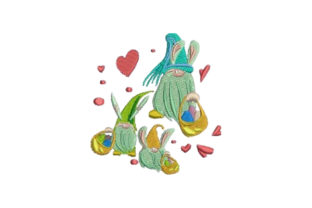
As I sit here preparing my samples for the upcoming craft fair weekend, the "Easter Gnomes" design file is open on my screen. My first impression is pure, unadulterated festive cute. The name alone promises a whimsical, decorative charm that fits perfectly into the spring marketplace. This isn't a minimalist or overly elegant design; it's meant to be joyful and eye-catching, radiating a happiness that customers want to bring into their homes or wear as a seasonal accessory.
Where Easter Gnomes Shines on the Booth Table
Visualizing my display table, I immediately see this design having its strongest impact on specific products. For a bold focal point, a pillow cover or a large tote bag would be excellent. The cheerful theme makes it a natural fit for kitchen textiles, so tea towel embroidery and apron embroidery are prime candidates. A crisp white or pastel-colored apron with these gnomes would look fantastic.
For smaller, more affordable impulse buys, embroidered patches are a smart choice. Customers love adding a seasonal touch to jackets or bags. Small fabric pouches or market bags also work well, offering a giftable handmade item. On caps, however, I'd be cautious; curved surfaces can distort designs, and the festive theme might limit its wearability outside the Easter season.
Practical Production: Making Gnomes Sell
The success of any craft fair product hinges not just on looks, but on practical production. For Easter Gnomes, the key question is scalability. Can I batch-produce it efficiently for a weekend booth?
First, the design needs to be easy to understand at a glance. From the description, it seems built for that—a cute character-driven motif. This is crucial for catching a customer's eye from a few feet away. I need to assess its performance both as a large statement piece and as a smaller accent. A small design on a towel corner might still be charming, but I must check if tiny details, like facial features or small decorative elements, retain their clarity when stitched at a reduced size.
Navigating Technical Embroidery Details
Here are my professional notes for anyone turning this digital embroidery file into a finished product:
- Always test the design on scrap fabric first, preferably on the actual material you plan to use (like a tea towel or tote bag fabric).
- Check thread contrast. A design this cheerful likely relies on bright, distinct colors. On dark fabric, you'll need carefully chosen, lighter threads to make it pop.
- Review spacing and stitch density. Dense stitch areas can cause puckering on thinner fabrics like towels, so using the correct stabilizer is non-negotiable.
- Confirm the hoop size required. The product description mentions it comes in multiple embroidery file formats, which is great for different machines, but I must know the physical dimensions to plan my products. Does it fit a standard 4x4 hoop for small items, or does it need a larger hoop for bags and pillows?
- Create at least one real mockup. A physical sample tells you more than any screen preview. It shows how the texture feels, how the colors look in natural light, and how it interacts with fabric texture.
- Compare fabric colors. Pastels—soft yellows, blues, and greens—will enhance the Easter theme, whereas bright white will offer a crisp, farmhouse-style contrast.
Customer Appeal and Booth Impact
From a selling perspective, Easter Gnomes boosts visual appeal through its thematic charm. It immediately communicates seasonality and handmade quality. In a booth display, a cluster of products featuring this same design creates strong brand consistency and tells a cohesive story. A row of gnome-embroidered tea towels hanging on a display rack is far more engaging than a mix of unrelated motifs.
This design increases perceived product value. A well-executed embroidery appliqué on a tote bag or pillow cover feels premium and artisan-crafted compared to a printed graphic. It encourages buyer engagement because people are drawn to tactile, textured details. They'll want to touch the stitching.
For Etsy sellers and digital shop owners, the design's appeal translates to online sales as well. It should photograph beautifully, with the stitches adding depth and interest. Creating printable mockups for listings using the actual stitched samples will showcase the true quality far better than a flat digital image.
A Note on Careful Use
There are always considerations for a smooth production run:
- If the design includes any small lettering (like "Happy Easter" incorporated into it), be extra vigilant on textured towels or curved surfaces where clarity might suffer.
- Batch production requires consistency. If the design is complex with many color changes, it might slow down your output. Evaluate its repeatability for making ten, twenty, or fifty of the same item.
- Always confirm commercial licensing before selling finished products. The description notes it's a machine embroidery design for multiple uses, but the specifics are crucial. As a small shop product creator, I must ensure my commercial use is covered.
Final Judgment for the Craft Fair
Easter Gnomes feels like a strong contender for the spring fair season. Its mood is unabashedly festive and cute, targeting customers looking for decorative, joyful items. It will stand out best on home decor and kitchen textiles where its charm is most relevant. Its success will ultimately depend on the technical execution: clean stitching on the right fabrics with excellent color contrast.
My advice to fellow embroidery business owners, boutique makers, and creative entrepreneurs is to treat this as a promising seasonal craft fair product. Prioritize making a flawless physical sample. See how it looks in person, under your booth lights. That sample will be your best sales tool, proving the handmade quality and visual happiness that the digital file promises. Then, you can confidently produce those tote bags, aprons, and pillow covers that will make customers smile—every time they glance at them.