Black Olives Embroidery: A Designer's Review for Apparel
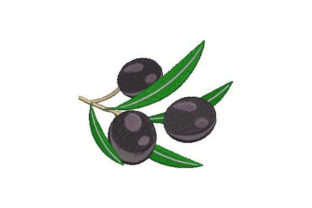
When browsing Creative Fabrica for a fresh design to incorporate into my upcoming sweatshirt collection, the Black Olives embroidery file immediately caught my eye. As a designer who frequently works on boutique apparel and cozy seasonal items, I look for designs that offer a distinct visual personality without being overly complex. This lovely olive embroidery design promises a Mediterranean-themed aesthetic, which fits perfectly with the current trend for rustic, natural motifs in handmade products.
First Impressions and Visual Mood
The design’s name, Black Olives, suggests a simple, graphic element, but the description hints at beautifully crafted detail. My first impression, without seeing the actual stitch preview, is that this could carry a sophisticated yet casual mood. It feels like it could be both classic and trendy—a combination that’s gold for small clothing brands aiming for longevity in their collections. I imagine it leaning towards a minimal, rustic feel with potential for feminine or playful touches depending on the thread colors chosen. For an Etsy seller or a handmade business owner, this kind of design offers decorative strength without being too bold, making it versatile for a wide customer base.
Application on Boutique Apparel and Sweatshirts
Planning a small sweatshirt or hoodie collection, I immediately consider placement. For a neutral sweatshirt—think heather grey or cream—the Black Olives design could serve as a perfect chest placement emblem. It would add a touch of premium detail without overwhelming the garment’s cozy aesthetic. On pastel hoodies, like a soft sage or blush pink, the olives would introduce a subtle, earthy contrast, enhancing the garment’s handmade product appeal.
Sweatshirt and Hoodie Chest Placement
For sweatshirt embroidery, a design like this on the left chest is a classic choice. It feels intentional and brand-building. For a boutique brand, this small, recognizable motif can become part of your visual identity, aiding in product recognition. On oversized garments, a slightly larger scale might work well on the front, maintaining balance.
Sleeve Accents and Back Designs
As an accent on a sleeve cuff or as a small repeated element, Black Olives could add a delightful detail to a simple sweatshirt or t-shirt. For a back design on a denim jacket or tote bag, its likely intricate detailing would need to be considered for stitch density. A denser design on a large area requires careful stabilizer choice to handle the fabric texture, especially on heavier items like hoodies.
Expanding to Other Merchandise
The description mentions giving fabrics a fresh new look, which opens possibilities beyond sweatshirts. For my shop, I think about applying it to dark apparel, like a black t-shirt or a navy tote bag. The contrast would be striking, but I’d need to test thread color contrast on scrap fabric first. On lighter fabrics, like a white denim jacket or a light canvas tote, the design would pop, contributing to a professional presentation in lifestyle product photos and Etsy listings.
Tote Bags and Lifestyle Products
For tote bag design, a Mediterranean-themed motif like olives adds a lifestyle element, suggesting freshness and natural charm. It aligns well with brands focused on sustainability or artisanal quality. Using it on merchandise for social media graphics or printable mockups could also enhance customer engagement, making the product feel cohesive and thoughtfully designed.
Where to Use Black Olives Carefully
Every machine embroidery design has its considerations. Based on experience, here are areas where I would proceed with caution with this design, especially for commercial embroidery products.
- Small Chest Placement: If the design has very fine details or tiny elements, small placement might cause stitching issues. I always advise checking the Creative Fabrica product details for recommended minimum sizes.
- Stretchy Fabric and Fleece: Sweatshirts and hoodies often use fleece or ribbed fabric. These materials can be tricky. Dense stitch areas can cause puckering on stretchy fabric. A good stabilizer and testing on similar garment fabric are non-negotiable.
- Dark Garments: Using lighter thread on dark garments requires perfect tension and density to avoid the background fabric showing through. This is a key test before production.
- Curved Surfaces: Placing a design on a curved area like a shoulder or a rounded bag pocket demands careful hooping and stabilizer use to prevent distortion.
Without specific stitch count or file format information in the provided description, I would absolutely confirm these details on Creative Fabrica before committing to a production run. Knowing the exact hoop size and machine compatibility is crucial for a smooth process.
Affecting Apparel Value and Brand Identity
Incorporating a well-executed embroidery design like Black Olives can significantly elevate a simple garment. For a small clothing brand or Etsy seller, it transforms a basic sweatshirt into a boutique-brand item. This adds perceived value, builds buyer trust through attention to detail, and creates visual consistency across a collection. When customers see a cohesive, beautifully embroidered product line, it reinforces professional presentation and can increase product recognition.
For digital sellers and creative entrepreneurs, offering custom apparel with such designs allows for scalability. You can create multiple products—hoodies, t-shirts, bags—with the same core motif, streamlining your design process and strengthening your brand identity.
Practical Designer Notes Before Production
Before I stitch this design onto any garment for my shop, my standard workflow involves several checks. These steps ensure the final product meets the quality my customers expect.
- Test on Scrap Fabric: I always embroider the design on a scrap piece of the exact fabric I plan to use, preferably from the same garment batch.
- Check Stabilizer Choice: For sweatshirt embroidery on fleece, I might use a cut-away stabilizer for durability. For t-shirts, a lighter tear-away might suffice.
- Review Thread Color Contrast: I experiment with a few thread color palettes against the garment color to see which offers the best visual impact.
- Confirm Hoop Size: I match the design’s required hoop size with my machine’s capabilities and the garment’s available hooping area.
- Inspect Stitch Density: By viewing the design file, I assess if the density is suitable for my fabric type—too dense can stiffen a soft hoodie.
- Compare Placement Options: I create a few printable mockups or sketches to visualize the design on different garment positions.
- Check Product Details and Licensing: I thoroughly review the Creative Fabrica embroidery product page for all technical details and the commercial embroidery license to ensure I can sell the finished apparel legally.
This lovely olive embroidery design, as described, seems perfect for a Mediterranean-themed project. For apparel decorators and embroidery shops looking to add a fresh, natural element to their lines, Black Olives offers a promising starting point. Its potential to enhance neutral sweatshirts, pastel hoodies, and lifestyle accessories makes it a versatile digital embroidery file worth exploring. By following practical preparation steps and confirming the technical specifications, you can confidently integrate it into your next collection, adding that touch of crafted detail that today’s customers appreciate.